

Indian food in Australia is not what it was ten years ago. Not even close.
We have watched it shift from being a "safe Friday night option" to something Australians genuinely seek out, talk about, and travel across cities to experience. That change did not happen overnight. It came from a mix of bolder chefs, curious diners, and restaurants willing to do something different.
From Butter Chicken Basics to Regional Depth
For years, most Indian restaurants in Australia leaned heavily on a handful of crowd-pleasers. Butter chicken, tikka masala, garlic naan. These dishes are delicious, yes. But they told only a fraction of the story.
Over the last decade, something shifted. Diners started asking better questions:
• What does food from Kerala actually taste like?
• Is Rajasthani cuisine different from Punjabi?
• What makes a Chettinad curry distinct?
Restaurants responded. We started seeing South Indian cuisine, coastal seafood preparations, street food menus, and regional thali experiences appear across Australian cities. The conversation around Indian food culture grew richer.
Presentation and Dining Experience Got a Major Upgrade
It is not just about the food itself. The entire experience changed.
Modern Indian dining in Australia now often includes:
• Fine dining formats with curated tasting menus
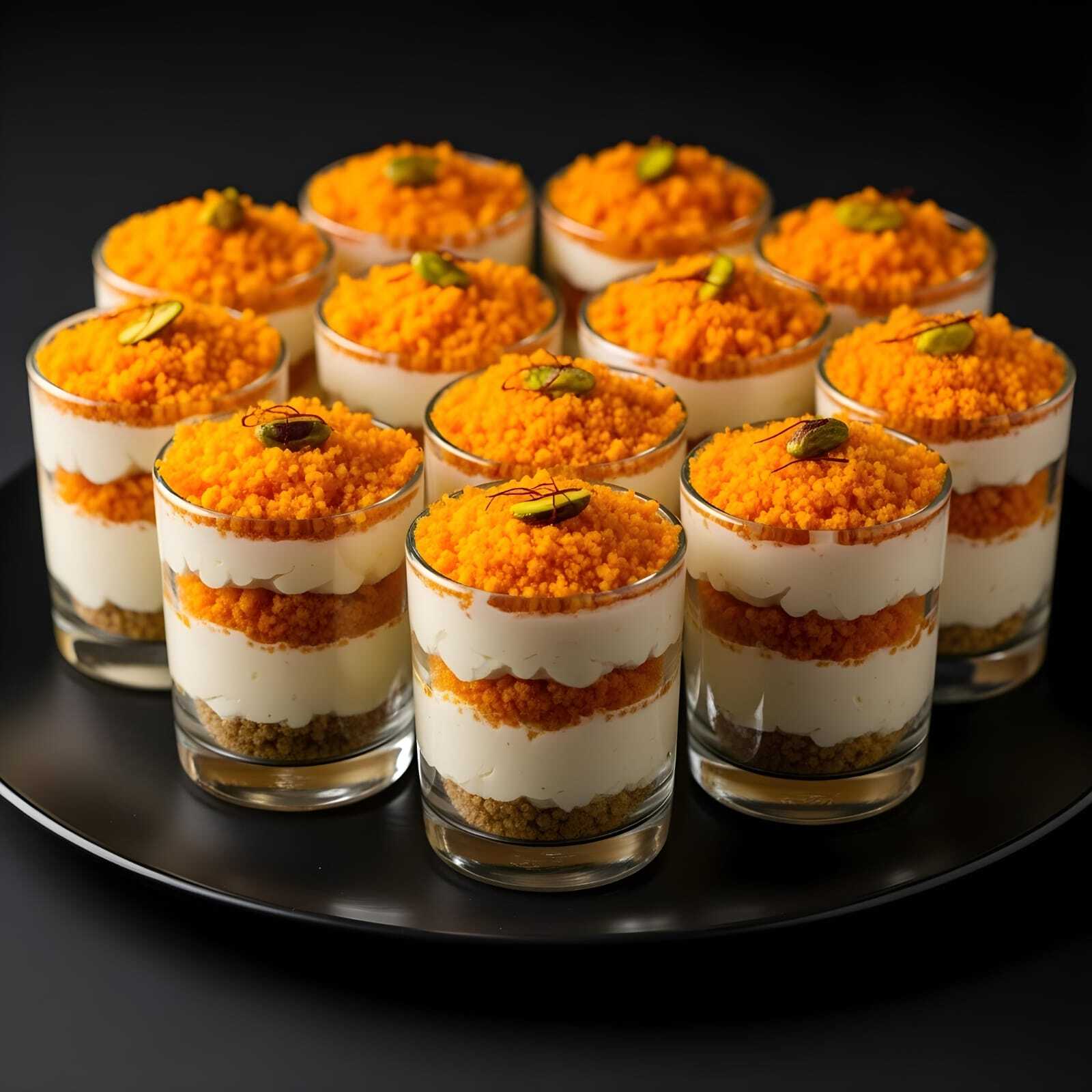
• Elevated plating that respects traditional recipes but presents them beautifully
• Craft cocktail menus inspired by Indian spices and botanics
• Interactive dining concepts like open kitchens and live tandoor stations
This shift matters because it changed how Australians perceive Indian food. It moved from being seen as affordable and casual to being recognised as sophisticated, complex, and worthy of a special occasion.
The Rise of Authentic Indian Flavours Done Right
Here is something worth noting. Authenticity became a selling point, not a constraint.
Chefs who stayed true to traditional Indian cooking methods found loyal, enthusiastic audiences. Slow-cooked curries, hand-ground spice blends, clay pot preparations, and wood-fired breads started drawing food lovers who wanted something real.
At Namaste On High, this philosophy sits at the heart of everything. Their menu reflects a genuine respect for Indian culinary heritage, blending time-tested recipes with a modern restaurant sensibility. The result is food that feels honest, generous, and memorable.
Key things Australian diners now appreciate about authentic Indian cuisine:
1. Depth of spice rather than just heat
2. Layered cooking techniques developed over generations
3. Regional variety that goes far beyond a standard menu
4. Vegetarian and vegan options that are naturally rich and satisfying
Indian Food and the Australian Multicultural Appetite
Australia's multicultural identity played a big role in this evolution. As communities grew, so did food curiosity. Australians grew more comfortable exploring unfamiliar flavours and textures.
Indian cuisine benefited enormously from this openness. It also helped that Indian ingredients became more accessible. Better spice markets, specialty grocery stores, and food media coverage made Indian cooking feel less foreign and more exciting.
Restaurants that could bridge cultural familiarity with genuine culinary storytelling thrived. That sweet spot, where comfort meets discovery, is where the best Indian dining experiences now live.
What Makes a Great Indian Restaurant Stand Out Today
Not every restaurant offering Indian food in Australia has kept pace with this evolution. The ones that stand out tend to share a few qualities:
• Consistency in flavour and quality, visit after visit
• A menu with purpose, not just a list of dishes
• Staff who can guide diners through unfamiliar options
• An atmosphere that adds to the meal, not just surrounds it
These are the details that turn a dinner into something people remember and return for.
A Decade of Growth Worth Celebrating
The last ten years have been genuinely exciting for Indian cuisine in Australia. We have seen it earn real respect, attract serious chefs, and find an audience that keeps growing.
Restaurants like Namaste On High represent what this evolution looks like at its best, cuisine crafted with care, served with pride, and enjoyed by a community that now knows exactly what great Indian food should feel like.


